
What does a hair tattoo feel like?
When I explain SMP to a client, I compare the sensation to a light scratching or tapping feeling rather than the deeper pain some people associate with a traditional body tattoo. The scalp is being treated with very small needle impressions, and the work is focused on placing tiny pigment dots that resemble closely cropped hair follicles.
That does not mean the treatment feels exactly the same for everyone. Your pain tolerance, skin sensitivity, treatment area, and level of hair loss all influence the experience. Areas around the temples, forehead, and hairline can feel more sensitive than the flatter central scalp. If you are nervous about discomfort, tell me before we begin so I can plan the appointment around your comfort.
Comfort can change as a session progresses. I monitor how you are feeling rather than expecting you to simply tolerate it. A short pause can make the appointment much easier.
How does numbing medicine help?
I use numbing medicine as part of the treatment process. It is applied after we have prepared and marked the scalp, and before pigment is placed. Numbing does not necessarily remove every sensation, but it can reduce the sharpness and make the procedure more comfortable.
It is useful to be realistic about what numbing can do. You may still notice pressure, vibration, tapping, or a scratching sensation. Comfort also changes as the session progresses and as different parts of the scalp are treated. I would rather discuss those sensations honestly than promise that you will feel nothing.
Before treatment, arrive with clean hair and scalp. I also advise clients to avoid alcohol the day before and after the appointment because it thins the blood. Follow the specific preparation guidance given during your consultation, particularly if you take medication or have a condition that affects healing or bleeding.
What happens during an SMP appointment?
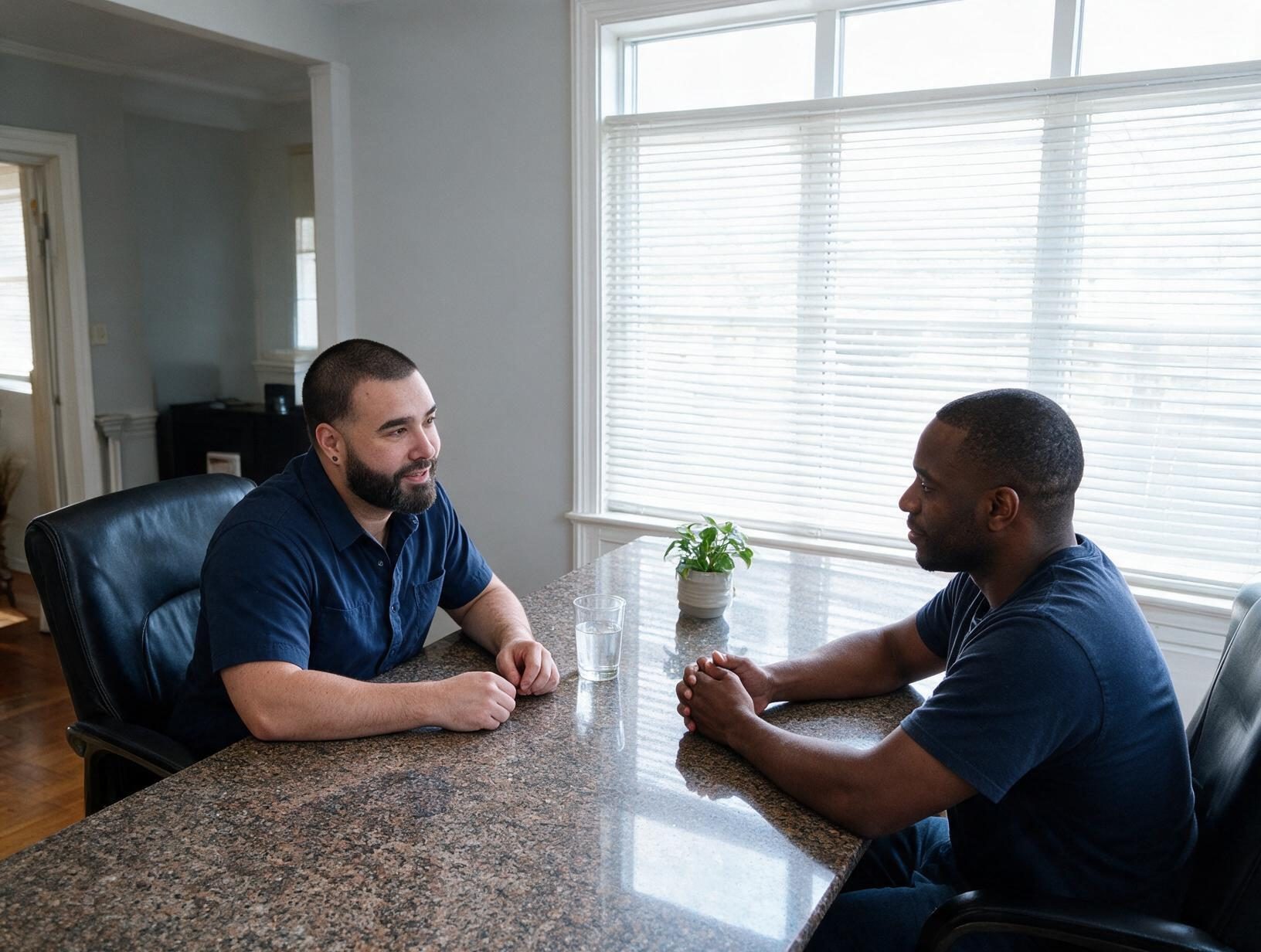
Before I start the actual application, we discuss the appearance you want and assess the scalp. I mark the treatment areas and agree the hairline with you. A hairline should suit your facial structure and age, not look like a rigid line drawn across the forehead. This planning stage is important for both the final appearance and your confidence during treatment.
I match the pigment to the current color of your hair follicles and work gradually. The first treatment is generally approached more lightly, allowing the scalp to settle before further detail is added at later appointments. SMP is not a solid layer of paint. The result should allow some scalp to show through, because that is what creates a believable shaved or closely cropped appearance.
The length of a session varies with the size of the area and the amount of work required. A complete course commonly involves more than one appointment, with healing time between sessions. Working progressively also means that I can assess how your skin has responded before adding more pigment.
You can read more about the treatment process on my scalp micropigmentation treatment page.
What affects pain and comfort after a hair tattoo?
Any discomfort does not usually last long, although the scalp can feel tender or irritated for a short period. Mild redness may also occur. The treated area needs time to settle, and the pigment can appear stronger at first before softening as healing progresses.
For the first four days, keep the scalp dry and avoid washing, wetting, sweating, heavy exercise, hot showers, steam rooms, and other hot environments. Avoid direct sun exposure during this early period. After that, follow the washing and grooming instructions provided for your treatment. Do not pick at flakes or scabs, and do not interfere with the skin while it is healing.
After the final treatment, swimming pools, saunas, and steam rooms should be avoided for the advised healing period. Once the scalp has healed, long-term sun protection helps protect the pigment from fading. My SMP aftercare instructions explain the 30-day care period in more detail.
When should you reconsider or postpone treatment?
Pain is only one part of deciding whether a hair tattoo is suitable. SMP is cosmetic camouflage. It does not regrow hair, alter natural hair growth, or treat the cause of hair loss. It creates the visual impression of a closely shaved head or reduced scalp contrast.
Tell me about allergies, medication, skin conditions, and any history of keloid scarring before booking. Active scalp acne, eczema, or a psoriasis flare-up may need to settle first. People who form keloids can be at greater risk of abnormal scarring after skin trauma and should discuss suitability with an appropriate healthcare professional.
Choosing an experienced, licensed provider also matters for comfort and safety. Ask about SMP-specific training, body art licensing, bloodborne pathogen certification, hygiene procedures, and healed examples of previous work. Pay particular attention to hairline work. An unnatural hairline can affect the overall result even when the pigment itself has been applied carefully.
I bring 15 years of barbering experience to hairline planning and scalp work at my Totowa, New Jersey studio. I am a Diplomat of the American Academy of Micropigmentation, a certified SMP technician, and certified in pain control and infection control for body art professionals.
Contact me through the contact page if you would like to book a consultation to discuss whether SMP suits your goals.
Frequently asked questions
Is SMP more painful than a regular tattoo?
Many people find SMP less uncomfortable than a traditional tattoo because the needles and application are designed for small, controlled pigment deposits. You may still feel scratching, tapping, pressure, or irritation. Personal pain tolerance varies, and sensitive areas such as the temples may feel more noticeable.
Can I request more numbing during a scalp micropigmentation session?
Discuss comfort throughout the appointment rather than waiting until discomfort becomes difficult. Numbing medicine is used as part of SMP, but the sensation is not always eliminated completely. Your practitioner can explain what is appropriate for the treatment area and how the appointment can be paced.
Does a bald scalp hurt more than a scalp with hair?
Not necessarily. Pain depends more on individual sensitivity, the treatment area, skin condition, and the length of the appointment than simply on whether the scalp is bald. A consultation lets the practitioner assess your skin and explain which areas may feel more sensitive.
Can I take pain medication before a hair tattoo?
Ask your practitioner before taking any medication for comfort. Some medicines can affect bleeding or healing and may not be suitable before cosmetic tattooing. Do not stop prescribed medication without advice from the clinician who prescribed it. Your provider can give preparation instructions based on your circumstances.
Will the scalp stay painful after SMP?
Tenderness or irritation can occur after treatment, but ongoing or worsening pain is not something to ignore. Follow the aftercare instructions and avoid scratching, sweating, soaking, and sun exposure while the skin settles. Contact your practitioner or healthcare provider if you develop severe pain, fever, pus, marked redness, or swelling.
Is a hair tattoo permanent?
SMP is intended to be long-lasting, but it is not unchanged forever. Pigment gradually softens and fades with skin renewal, sun exposure, and individual skin factors, so a future touch-up may be needed. Because some pigment remains in the skin, choosing the hairline and practitioner carefully is important.