
Why does the treatment area affect scalp micropigmentation cost?
The first factor I assess is how much scalp needs treatment. A small area at the front of the scalp can require less time and pigment than a larger area extending across the hairline, crown and sides.
Scalp micropigmentation is not priced as though every scalp is the same. I place many tiny impressions into the scalp and build the result gradually, rather than applying one solid block of color. The larger the area, the more planning, mapping and careful application it may involve.
The degree of hair loss also changes the work. A closely shaved look with a clearly defined area can require a different approach from a scalp where the hairline, crown and sides all need to blend together. The goal is not to make the scalp look painted. It is to reduce the contrast between the scalp and the appearance of hair follicles.
You can read more about the treatment itself on my scalp micropigmentation treatment page.
How does hairline design influence the price?
Hairline design is one of the most important parts of an SMP appointment, and it should not be rushed. A hairline that is too straight, too low or too heavy can look unnatural, even when the pigment work behind it is technically neat.
Before I begin, I mark the treatment area and discuss the hairline with you. For someone with advanced hair loss, I consider facial structure and age when planning the position. I also look at the existing hair pattern, side points and the way the result will look when the head is viewed from different angles.
Some clients prefer a soft hairline because they want the most undetectable appearance. Others, particularly clients with darker skin tones, may prefer a sharper edge-up style that resembles a fresh barbered finish. These choices affect the design time and the detail required.
When comparing a scalp micropigmentation price, I recommend looking closely at the practitioner’s hairline work. Ask to see genuine examples, and pay attention to whether the front edge looks graduated rather than like a hard drawn line.
Does the number of sessions change the cost of scalp micropigmentation?
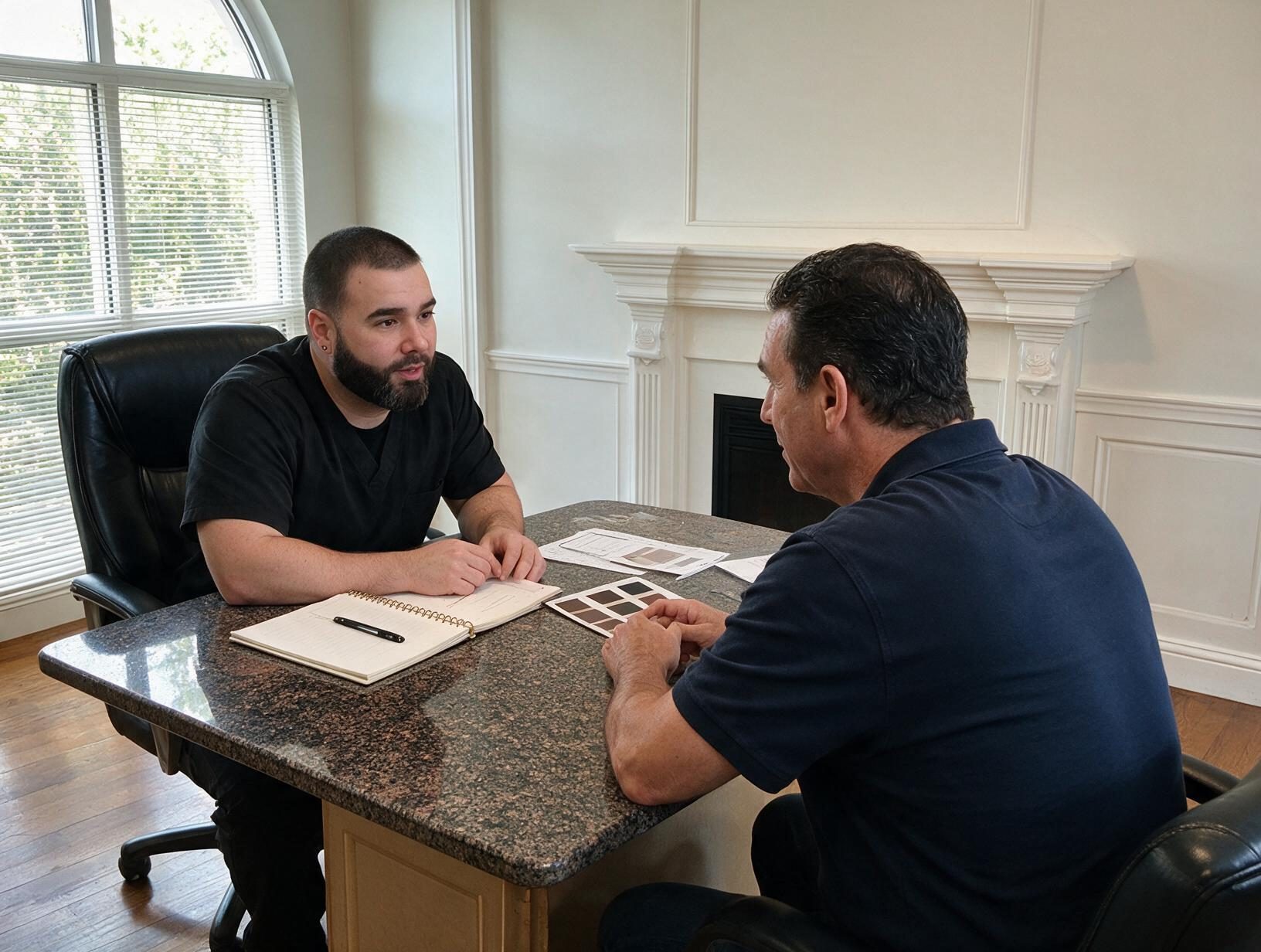
It can, yes. SMP is built in layers, and the number of sessions depends on the area, your starting point and how the pigment settles. A complete treatment commonly involves more than one appointment, with healing time between sessions so the result can be assessed before more detail is added.
I generally begin more lightly and use spacing that allows me to judge the scalp’s response. Later work can add density and definition. This controlled process is important because adding too much pigment too quickly can create an overly dark or blurred result.
Session length can vary as well. A smaller area may take less time, while a larger treatment requires more preparation and application. The amount of time I need is influenced by the size and shape of the area, the design and how carefully the existing hair needs to be blended.
It is worth asking whether a quoted cost covers the complete planned treatment or only an initial appointment. I cannot give a meaningful assessment from a generic package alone. I need to see your scalp and understand what appearance you want to achieve.
What other personal factors affect the price?
Skin and hair characteristics can affect the planning. Pigment is selected to complement your current follicle color and the result must work with your natural skin tone. Existing hair, skin texture and the contrast between hair and scalp all influence how the dots should be placed.
Some people have oily skin, high sun exposure or other factors that may influence how quickly pigment fades. Scalp care and long-term sun protection also matter. SMP is not a one-time visual effect that stays unchanged forever. Pigment gradually softens, and a future touch-up may eventually be appropriate.
Before treatment, I also need to know about allergies, skin conditions and relevant medical history. Active scalp acne, eczema or psoriasis flares may need to settle first. Anyone prone to keloid scarring should discuss SMP with an appropriate healthcare professional before proceeding.
These points are not simply administrative. They help me decide whether the treatment is suitable, how conservative the design should be and what expectations are realistic.
Why does practitioner expertise affect scalp micropigmentation cost?
A lower scalp micropigmentation price can cost more in the long run if the work later needs correction or removal. Pigment placed too deeply can spread and blur. A poor color choice or an unnatural hairline can also be difficult to correct.
When researching a practitioner, review healed work rather than relying only on photographs taken immediately after treatment. Ask about SMP-specific training, a body art practitioner licence, bloodborne pathogens certification and the hygiene measures used in the studio. Needles should be packaged and opened appropriately, and barrier protection should be used.
My background includes 15 years as a barber, with a focus on hairline shape before I moved fully into SMP. I discovered my passion for SMP in 2014. I am a Diplomat of the American Academy of Micropigmentation and a certified SMP and permanent makeup technician by Beauty Everlasting. I am also certified in pain control, bloodborne pathogen safety and infection control for body art professionals.
Numbing is used during the treatment. Even so, a careful consultation and an unhurried process are more important than trying to compress the appointment into the shortest possible time.
How can I get an accurate scalp micropigmentation price?
An accurate assessment requires a consultation. I look at the extent of hair loss, the treatment area, your preferred shaved appearance, the existing hairline and the condition of your scalp. We can then discuss the likely treatment plan and what the result can realistically show.
SMP creates the appearance of follicles or a closely shaved head. It does not grow hair, change natural hair growth or treat the cause of hair loss. Understanding that distinction helps you compare options honestly.
After each session, you should follow the aftercare instructions given to you. General guidance includes keeping the scalp dry for the advised period, avoiding heavy exercise, sweating, hot showers, steam rooms and direct sun for several days. After the final treatment, swimming, saunas and steam rooms should be avoided for the recommended healing period, followed by ongoing SPF use to help protect the pigment.
If you are considering treatment in Totowa, New Jersey, you can use the contact page to arrange a consultation and discuss your scalp micropigmentation needs without pressure.
Frequently asked questions
Is scalp micropigmentation charged by the hour?
Appointment time can be one factor, but treatment area and complexity matter too. A larger scalp, detailed hairline or additional blending may require longer appointments. Ask what the quoted treatment includes, including planned sessions, rather than comparing an hourly figure in isolation.
Does a receding hairline cost less than full scalp treatment?
It may, because a smaller treatment area can require less planning and pigment application. However, the answer depends on the shape of the hairline, the amount of blending needed and whether other areas show visible thinning. An assessment is needed before anyone can responsibly describe the likely scope.
Can I reduce the cost by having only one SMP session?
Trying to stop after one session may not create the balanced result you want. SMP is commonly layered so pigment density and shade can be built gradually. The number of appointments varies by individual, and your practitioner should explain the planned process rather than encouraging you to choose based only on the first visit.
Does skin type affect the long-term value of SMP?
Skin characteristics and lifestyle can influence how pigment fades. Sun exposure, skin oiliness, cellular turnover and aftercare may all play a part. Protecting the scalp from the sun after healing and following grooming guidance can help maintain the appearance, although no cosmetic pigment remains unchanged forever.
Should I compare SMP providers by price alone?
No. Compare healed results, hairline design, SMP-specific training, hygiene standards and the consultation process as well as cost. Poor placement, unsuitable color or an unnatural hairline may require correction or removal later. A qualified, experienced practitioner should explain limitations and realistic expectations before treatment.
Can scalp micropigmentation be removed if I dislike the result?
Laser treatment can remove SMP, but removal may be more complicated when pigment was placed incorrectly or has spread. That is one reason I encourage clients to assess healed work, ask detailed questions and take time over the hairline design before booking. Prevention is generally preferable to correction.